%2Ffit-in%2F250x250%2Fguide_websites%2F81698%2Fimages%2F1769134423520unnamed.jpg&w=1920&q=100)
/users/c67d60fd-b983-462a-861a-7963a37ad2f4/ratecard/5-mkq8ev29.jpeg)
%2F300x300%2Fusers%2Fc67d60fd-b983-462a-861a-7963a37ad2f4%2Fratecard%2F5-mkq8ev29.jpeg&w=256&q=75)
%2F300x300%2Fusers%2Fc67d60fd-b983-462a-861a-7963a37ad2f4%2Fimages%2Fsnook-caught-fl-2528.jpg&w=256&q=75)
%2F300x300%2Fusers%2Fc67d60fd-b983-462a-861a-7963a37ad2f4%2Fimages%2Fbonnethead-shark-fishing-islamorada-2463.jpeg&w=256&q=75)
%2F300x300%2Fusers%2Fc67d60fd-b983-462a-861a-7963a37ad2f4%2Fimages%2Fsnook-caught-florida-2455.jpeg&w=256&q=75)
%2F300x300%2Fusers%2Fc67d60fd-b983-462a-861a-7963a37ad2f4%2Fimages%2Fsnook-fish-islamorada-2715.jpg&w=256&q=75)
%2F300x300%2Fusers%2Fc67d60fd-b983-462a-861a-7963a37ad2f4%2Fimages%2Fflorida-fishing-adventure-2571.jpg&w=256&q=75)
%2F300x300%2Fusers%2Fc67d60fd-b983-462a-861a-7963a37ad2f4%2Fimages%2Fbonefish-caught-islamorada-2347.jpeg&w=256&q=75)
%2F300x300%2Fusers%2Fc67d60fd-b983-462a-861a-7963a37ad2f4%2Fimages%2Fgag-grouper-fishing-fl-2372.jpeg&w=256&q=75)
%2F300x300%2Fusers%2Fc67d60fd-b983-462a-861a-7963a37ad2f4%2Fimages%2Fbonefish-caught-florida-2486.jpeg&w=256&q=75)
%2F300x300%2Fusers%2Fc67d60fd-b983-462a-861a-7963a37ad2f4%2Fimages%2Fbonefish-caught-islamorada-2400.jpeg&w=256&q=75)
%2F300x300%2Fusers%2Fc67d60fd-b983-462a-861a-7963a37ad2f4%2Fimages%2Fanglers-fishing-adventure-fl-2394.jpeg&w=256&q=75)
Beginner Everglades Inshore Fishing Edge Charters
 Everglades
What you will be catching:
 Permit
 Redfish
 Snook
Snook Tarpon
 Yellowtail Amberjack
- 8-hour private Everglades backcountry fishing expedition with Captain Bruce Pollock
- Shallow-draft skiff accesses remote flats for Permit, Tarpon, Redfish, and Snook
- All gear, live bait, and licenses included; beginner-friendly instruction provided
Trip Pricing and Availabilities:
Full Day Beginner-Friendly Everglades Fishing
Looking for a fishing adventure that won't leave you feeling overwhelmed? Captain Bruce Pollock's full-day Everglades trip is designed specifically for folks just getting their feet wet in the inshore fishing world. This isn't your typical rush-around-and-hope-for-the-best charter – Bruce takes his time, explains everything, and makes sure you actually learn something while having a blast on the water. With his shallow-draft skiff, you'll slip into backcountry spots that bigger boats can't even dream of reaching, giving you access to some seriously productive waters where the fish haven't been pressured by crowds of anglers.
What to Expect on the Water
Your 8-hour adventure starts early, and trust me, it's worth the wake-up call. Captain Bruce runs a 10-inch draft skiff that's basically a magic carpet for shallow water fishing. We're talking about floating in water so thin you could practically wade through it, but that's where the magic happens in the Everglades. The day flows at whatever pace works for your crew – no rushing, no stress, just good fishing and plenty of learning opportunities. Bruce has been guiding these waters for years, and he's got that rare combination of patience and expertise that makes first-timers feel confident and seasoned anglers pick up new tricks. All your gear comes included, plus live bait and fishing licenses, so you literally just need to show up ready to fish. The only extra cost is a $30 per boat fee for the National Park, which is pretty standard for accessing these pristine waters.
Shallow Water Fishing Basics
Everglades fishing is all about reading the water and understanding how these fish behave in skinny flats and mangrove-lined creeks. You'll learn to spot nervous water, work live bait around structure, and maybe even try your hand at sight fishing if conditions are right. The beauty of fishing with a 10-inch draft is that you can slide right up to oyster bars, grass flats, and creek mouths where the fish like to hang out. Bruce uses a combination of live bait fishing and artificial lures, depending on what's working and what you're comfortable with. If you've never cast a line before, don't sweat it – he'll start you off with the basics and gradually build your confidence. More experienced anglers will appreciate his knowledge of local structure and seasonal patterns that can make or break a day on the water. The gear is all top-shelf stuff, properly maintained and matched to the species you're targeting.
Species You'll Want to Hook
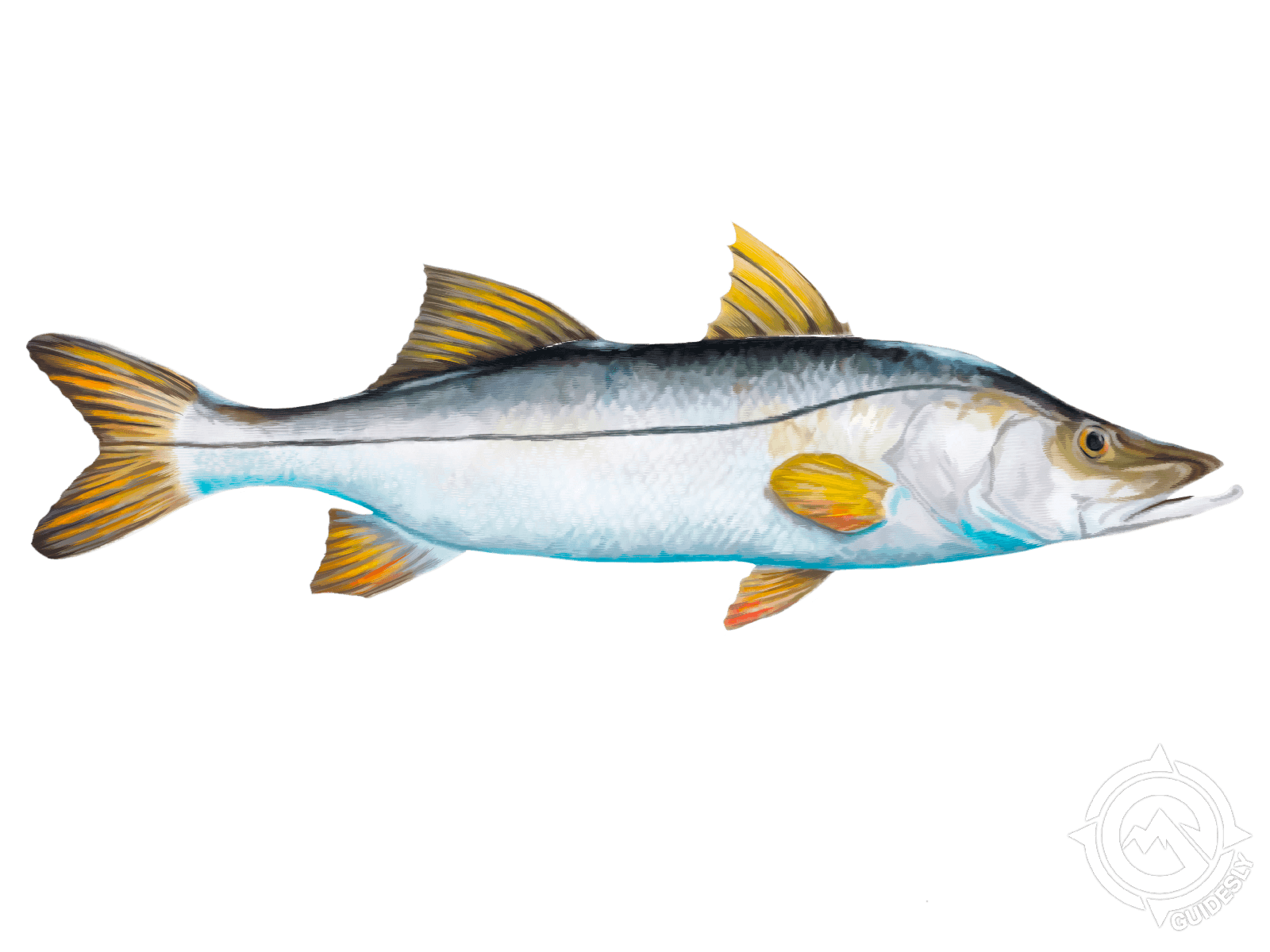
Snook are the bread and butter of Everglades fishing, and for good reason. These ambush predators love to hang around mangrove shorelines and creek mouths, waiting to crush anything that looks like an easy meal. They hit hard and fight dirty, using their gill plates and any nearby structure to try to break you off. Best fishing is usually early morning and late afternoon when they're actively feeding. What makes them special here is the variety – you might catch anything from schoolie snook around 15 inches to absolute slobs pushing 30-plus inches. The thrill comes from never knowing what size is going to blow up your bait next.
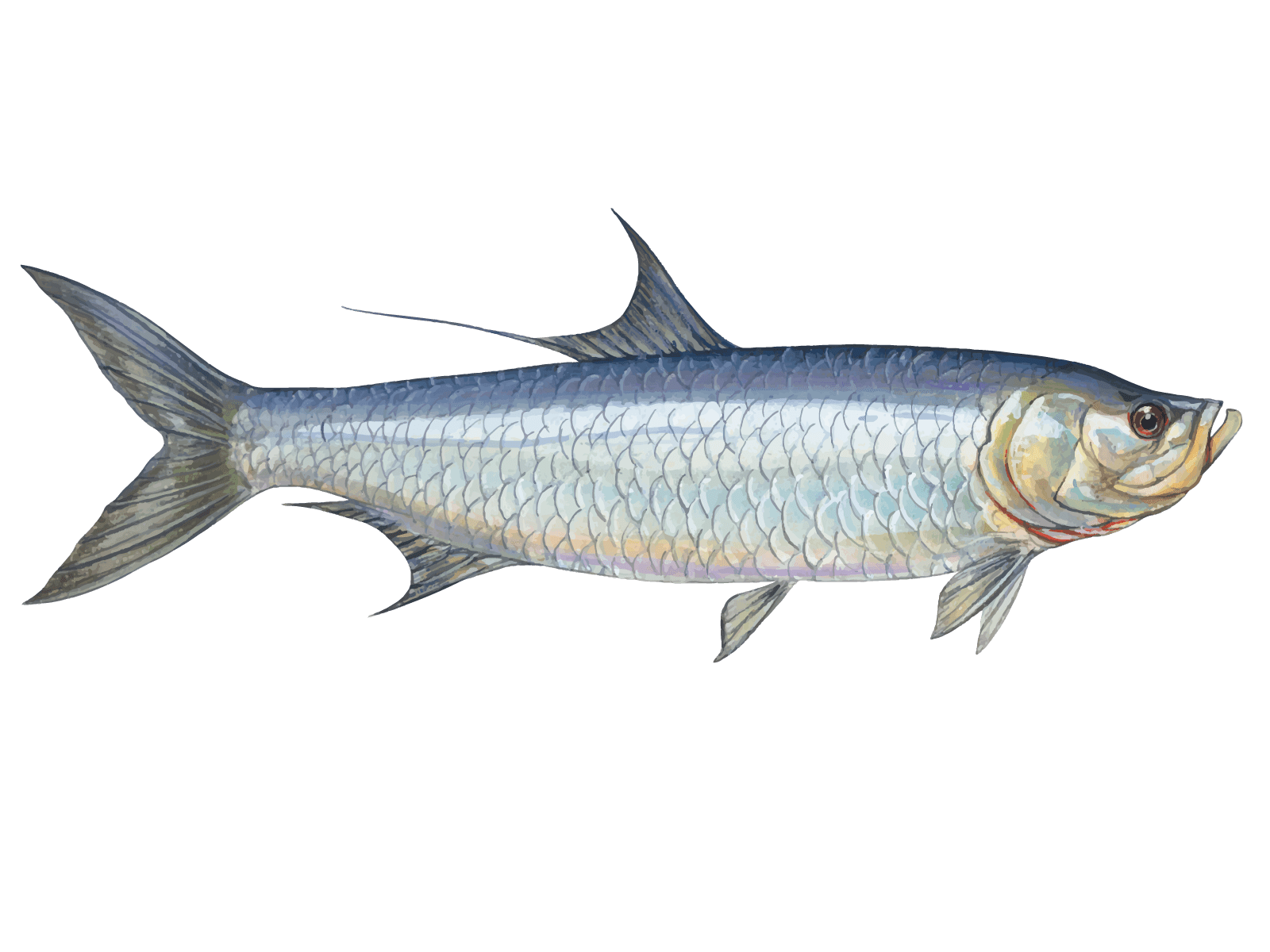
Tarpon fishing in the Everglades is legendary, and even the smaller fish will give you a workout you won't forget. These silver kings are pure muscle and attitude, famous for their acrobatic jumps and bulldogging runs. In the backcountry, you're typically dealing with juvenile tarpon in the 10-40 pound range, which sounds small until you hook one and realize they fight way above their weight class. Spring through fall offers the best action, especially around deeper holes and channel edges. The real excitement comes from watching a tarpon explode on the surface – it's a sight that never gets old, whether it's your first or fiftieth.
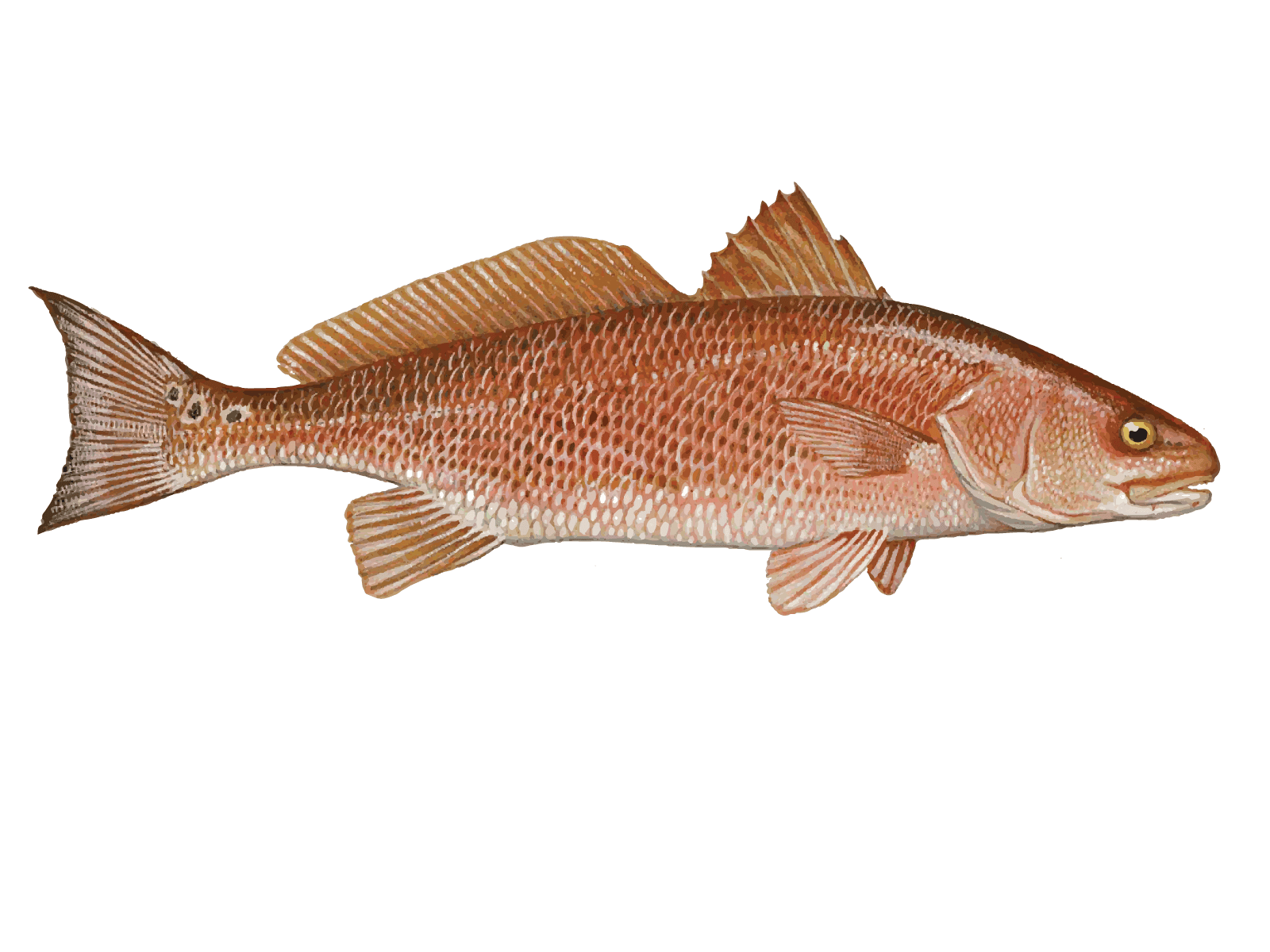
Redfish are the perfect species for beginners because they're aggressive feeders and relatively forgiving fighters. These copper-colored bruisers cruise the shallow flats looking for crabs, shrimp, and small baitfish. They're not as spooky as some other species, so you get more chances to present your bait properly. Peak season runs from fall through spring when cooler water temperatures make them more active during daylight hours. What's cool about reds is that they often travel in schools, so when you find one, there's usually more around. Plus, they're great eating if you decide to take a few home for dinner.
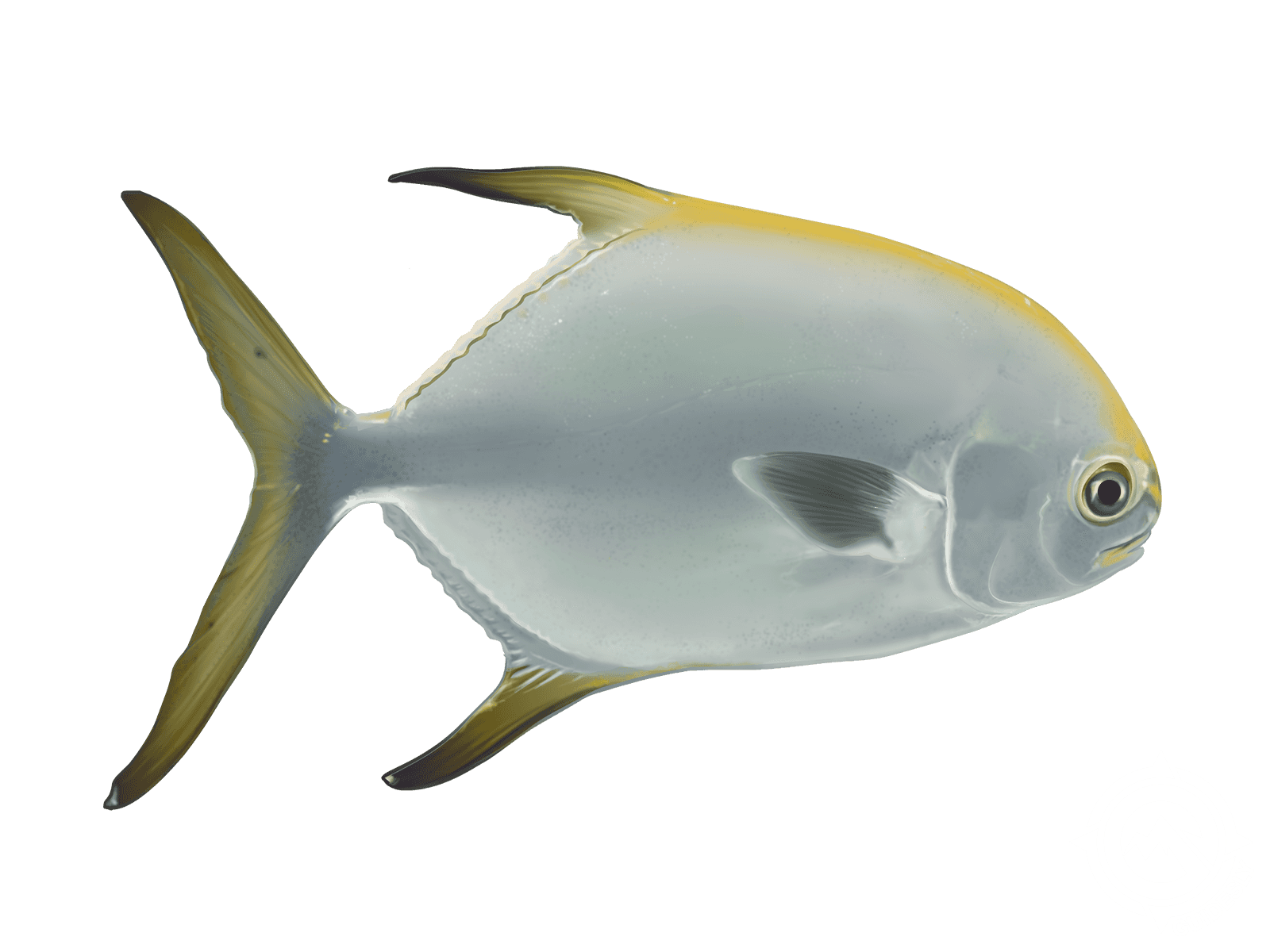
Permit are the holy grail for many Everglades anglers – these disc-shaped fighters are notoriously picky and will test every bit of skill you've learned. They're primarily sight fishing targets, cruising the flats in small groups while rooting around for crabs and shrimp. The challenge isn't just getting them to eat; it's making the perfect presentation without spooking the entire school. When you do connect, permits make blistering runs toward deep water and use their body shape like a sail to fight the current. They're most active during warmer months, and even experienced guides get excited when they spot a school of permits on the flats.
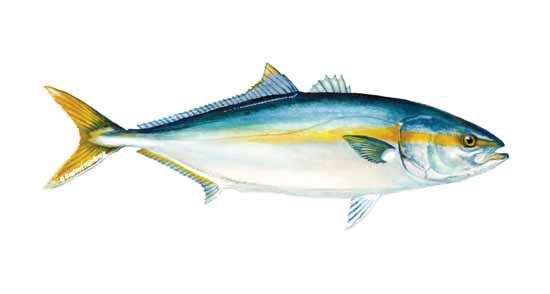
Yellowtail Amberjack add some serious muscle to your Everglades experience. These fish are built for speed and endurance, making powerful runs that will test your arms and your drag system. They're typically found around structure in slightly deeper water, though in the Everglades that might only mean 8-10 feet deep. Amberjacks are aggressive feeders that will hit both live bait and artificials with authority. The best part about targeting them is the surprise factor – they show up when you least expect it and turn a routine day into something memorable. Their strength and stamina make every fight feel like a tug-of-war with a freight train.
Time to Book Your Spot
This full-day Everglades adventure with Captain Bruce delivers exactly what it promises – a relaxed, educational fishing experience that's
Learn more about the species
Permit
Permit are the holy grail of flats fishing - notoriously difficult but worth every effort. These disc-shaped fish with their tall dorsal fins and forked tails typically run 15-25 pounds, though we occasionally see 40+ pound giants. They cruise the shallow sand and grass flats in 2-4 feet of water, often in areas where you'd swear they can't fit. Spring through fall offers the best shots, particularly April through October during their spawning season. What makes permit special is their reputation - landing one on fly or light tackle is a badge of honor among anglers. They're incredibly spooky with near 360-degree vision and will bolt at the slightest wrong move. The fight is strong and steady rather than explosive. While edible, most get released due to their challenging nature. Here's what I've learned after years of chasing them: use live crabs when possible, and when you spot one, take your time with the presentation. Make one perfect cast rather than multiple sloppy ones - you usually only get one shot before they disappear.
Redfish
Redfish, or red drum, are perfect for our shallow Everglades fishing. These copper-colored beauties with their signature black spots near the tail typically run 20-30 inches and 5-15 pounds in the backcountry, though bigger bulls patrol deeper waters. They're built for the shallows - we'll find them in 1-3 feet of water cruising grass flats, oyster bars, and mangrove shorelines. Year-round fishing is good, but fall and winter offer some of the most consistent action when they school up. Reds are scrappy fighters that make powerful runs and use their broad tails to bulldoze through the shallows. They're also fantastic eating with mild, flaky white meat that's perfect for blackening. What I love about redfish is they're not overly spooky - great for beginners learning sight fishing. Pro tip: when you spot one tailing or cruising, lead them by a few feet with your cast. They're opportunistic feeders and will eat almost anything, but don't drop it right on their head or you'll spook them.
Snook
Snook are one of the most rewarding fish you'll target in the Everglades. These sleek, golden-sided fighters average 1-3 feet but can grow much larger, with that distinctive black lateral line running down their side. They love hanging around mangrove roots, docks, and creek mouths where the water's brackish - perfect spots we'll hit in the shallow backcountry. Spring through fall gives you the best action, especially around dawn and dusk when they're actively feeding on shrimp and small fish. What makes snook special is their explosive strike and acrobatic fight - they'll jump and make blistering runs that'll test your drag. Plus, they're excellent table fare with firm, white meat. Here's a local trick: when you see one lurking in the shadows, cast past them and work your bait back through their strike zone. They're ambush predators and won't chase far, but get it right in front of them and hold on tight.
Tarpon
Tarpon fishing in the Everglades is something special - these silver giants can reach 6-8 feet and over 200 pounds, though most we see run 80-150 pounds. They love the deeper channels and basins scattered throughout our shallow flats, plus the backcountry areas where they roll and gulp air at the surface. Best fishing runs May through September when they're migrating and feeding heavily. What hooks people on tarpon is watching a 150-pound fish launch itself completely out of the water - sometimes multiple times during the fight. Their long runs and aerial displays make them the ultimate test, even on lighter tackle. Most folks practice catch-and-release since they're not great eating due to their bony structure. My advice when you hook one: keep steady pressure but don't horse them. Bow to the fish when it jumps to keep from pulling the hook, and be patient - these battles can last 30 minutes or more with proper technique.
Yellowtail Amberjack
Yellowtail amberjack aren't typically what we target in the shallow Everglades backcountry - these deep-water fighters prefer reefs, wrecks, and rocky structure in 60+ feet of water. They're built like torpedoes with bright yellow fins and can reach 40+ pounds, though most run 15-25 pounds. Summer months bring them closer to shore when water temps rise, making them accessible on longer runs. What anglers love about yellowtail is their raw power - they're fast, strong swimmers that will test your tackle with long, punishing runs toward structure. They're also excellent eating with firm, oily meat that's prized for sushi and grilling. The challenge is keeping them out of the rocks once hooked. While we don't encounter them often on our shallow-water trips, when we do venture to deeper structure, live sardines or mackerel work best. Key tip: once you hook one, apply steady pressure right away and try to turn their head up - let them get back to structure and you'll likely lose them to a cut line.
About the Dorado 2020
%2F%2Fusers%2Fc67d60fd-b983-462a-861a-7963a37ad2f4%2Fvehicle_picture%2Fboat-mkq7v5md.jpg&w=1920&q=75)
Vehicle Guest Capacity: 4
Manufacturer Name: Mercury
Maximum Cruising Speed: 40
Number of Engines: 1
Horsepower per Engine: 200