%2Ffit-in%2F250x250%2Fguide_websites%2F81698%2Fimages%2F1769134423520unnamed.jpg&w=1920&q=100)
/users/c67d60fd-b983-462a-861a-7963a37ad2f4/ratecard/2-mkq7x8vo.jpg)
%2F300x300%2Fusers%2Fc67d60fd-b983-462a-861a-7963a37ad2f4%2Fratecard%2F2-mkq7x8vo.jpg&w=256&q=75)
%2F300x300%2Fusers%2Fc67d60fd-b983-462a-861a-7963a37ad2f4%2Fimages%2Fsnook-caught-fl-2528.jpg&w=256&q=75)
%2F300x300%2Fusers%2Fc67d60fd-b983-462a-861a-7963a37ad2f4%2Fimages%2Fbonnethead-shark-fishing-islamorada-2463.jpeg&w=256&q=75)
%2F300x300%2Fusers%2Fc67d60fd-b983-462a-861a-7963a37ad2f4%2Fimages%2Fsnook-caught-florida-2455.jpeg&w=256&q=75)
%2F300x300%2Fusers%2Fc67d60fd-b983-462a-861a-7963a37ad2f4%2Fimages%2Fsnook-fish-islamorada-2715.jpg&w=256&q=75)
%2F300x300%2Fusers%2Fc67d60fd-b983-462a-861a-7963a37ad2f4%2Fimages%2Fflorida-fishing-adventure-2571.jpg&w=256&q=75)
%2F300x300%2Fusers%2Fc67d60fd-b983-462a-861a-7963a37ad2f4%2Fimages%2Fbonefish-caught-islamorada-2347.jpeg&w=256&q=75)
%2F300x300%2Fusers%2Fc67d60fd-b983-462a-861a-7963a37ad2f4%2Fimages%2Fgag-grouper-fishing-fl-2372.jpeg&w=256&q=75)
%2F300x300%2Fusers%2Fc67d60fd-b983-462a-861a-7963a37ad2f4%2Fimages%2Fbonefish-caught-florida-2486.jpeg&w=256&q=75)
%2F300x300%2Fusers%2Fc67d60fd-b983-462a-861a-7963a37ad2f4%2Fimages%2Fbonefish-caught-islamorada-2400.jpeg&w=256&q=75)
%2F300x300%2Fusers%2Fc67d60fd-b983-462a-861a-7963a37ad2f4%2Fimages%2Fanglers-fishing-adventure-fl-2394.jpeg&w=256&q=75)
Everglades Half Day Inshore with Edge Charters
 Everglades
What you will be catching:
 Permit
 Redfish
 Snook
Snook Tarpon
 Yellowtail Amberjack
- Half-day Everglades backcountry fishing targeting permit and tarpon
- Access to shallow flats unreachable by larger vessels
- All gear, bait, and licenses included for up to 4 anglers
Trip Pricing and Availabilities:
Half Day Everglades Fishing with Captain Bruce
Step aboard Captain Bruce Pollock's 24' Dorado for a half-day fishing adventure that takes you deep into the Everglades backcountry where most boats can't go. This isn't your typical crowded fishing charter – we're talking about accessing skinny water flats and remote areas that see minimal pressure, giving you the best shot at hooking into some of South Florida's most sought-after species. Captain Bruce has been working these waters for years, and he knows exactly where to find permit, tarpon, snook, redfish, and yellowtail amberjack based on tides, weather, and seasonal patterns. With a maximum of four anglers, you get personalized attention whether you're a seasoned pro or picking up a rod for the first time.
What to Expect on the Water
Your four-hour trip starts with Captain Bruce sizing up conditions and tailoring the day to your group's skill level. The beauty of fishing the Everglades is the variety – one moment you might be sight-casting to cruising tarpon on shallow flats, the next you could be working structure for snook or redfish. The Dorado's shallow draft is the real game-changer here, letting us slip into backcountry spots that bigger boats simply can't reach. Captain Bruce keeps things relaxed but productive, moving locations based on what's happening with the fish rather than sticking to a rigid plan. All your gear is handled – rods, reels, bait, and even your fishing license – so you can focus on the fishing. Just remember there's an additional $30 per boat fee for accessing Everglades National Park, which is where the magic happens.
Techniques & Backcountry Access
The Everglades fishing game is all about reading water and adapting to what nature gives you. Captain Bruce runs a mix of live bait presentations and artificial lures depending on the species we're targeting and the conditions. In the shallow flats, we'll often sight-fish using spinning gear with lighter tackle that lets you feel every headshake and run. When we're working deeper channels or structure, we might switch to heavier setups for species like tarpon or larger snook. The key advantage of this charter is the boat's ability to run in water so shallow you could practically wade it – we're talking 18 inches or less in some spots. This access opens up pristine fishing areas that haven't been hammered by other anglers, and that translates directly to better action for you.
Species You'll Want to Hook
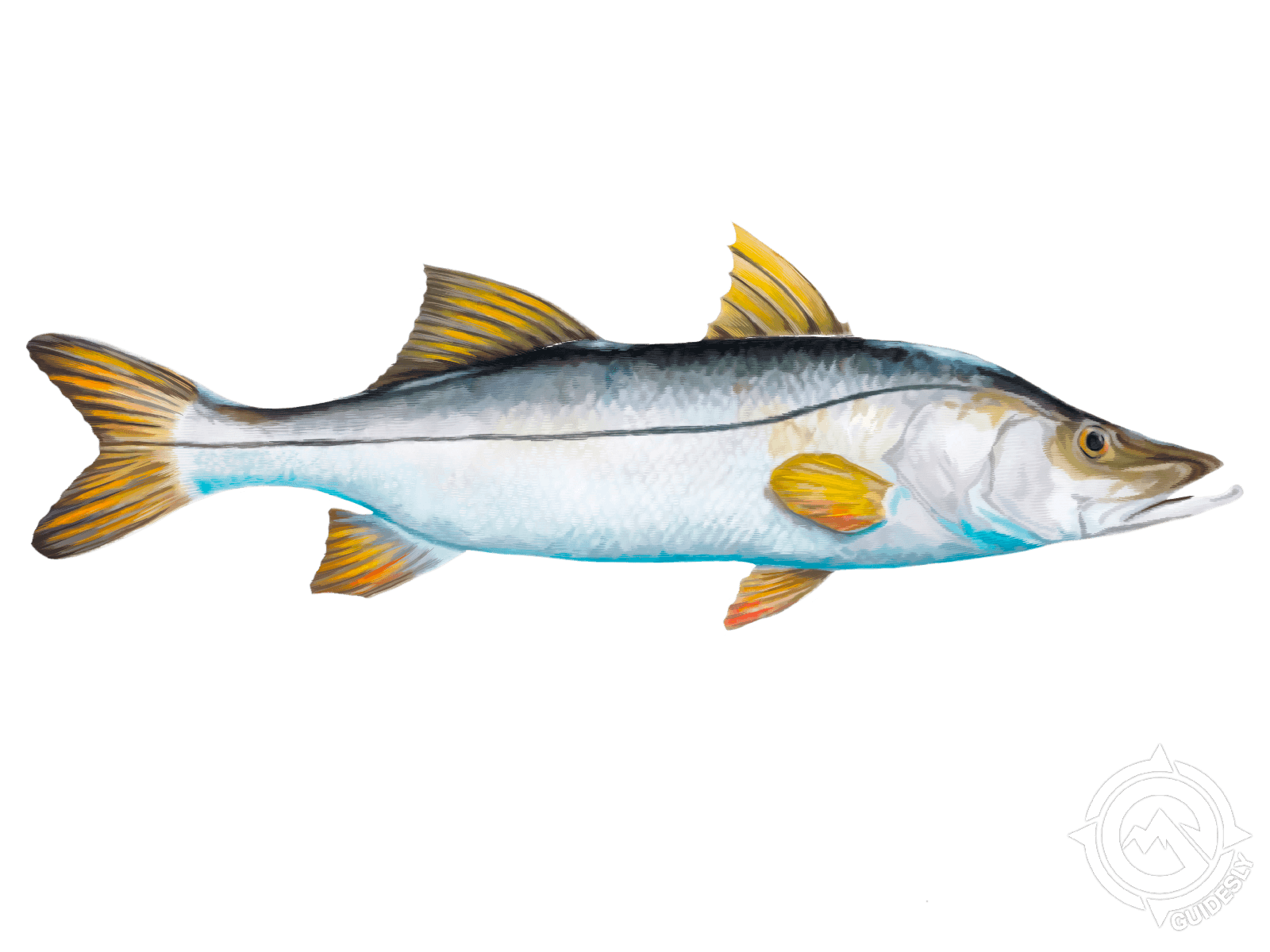
Snook are the bread and butter of Everglades fishing, and for good reason. These ambush predators love hanging around mangrove shorelines, docks, and structure where they can dart out to grab baitfish. They're incredibly aggressive when hooked, with that signature head-shaking fight that'll test your drag system. Captain Bruce targets snook year-round, but they're especially active during warmer months when they're more aggressive and willing to hit topwater plugs and live bait presentations.
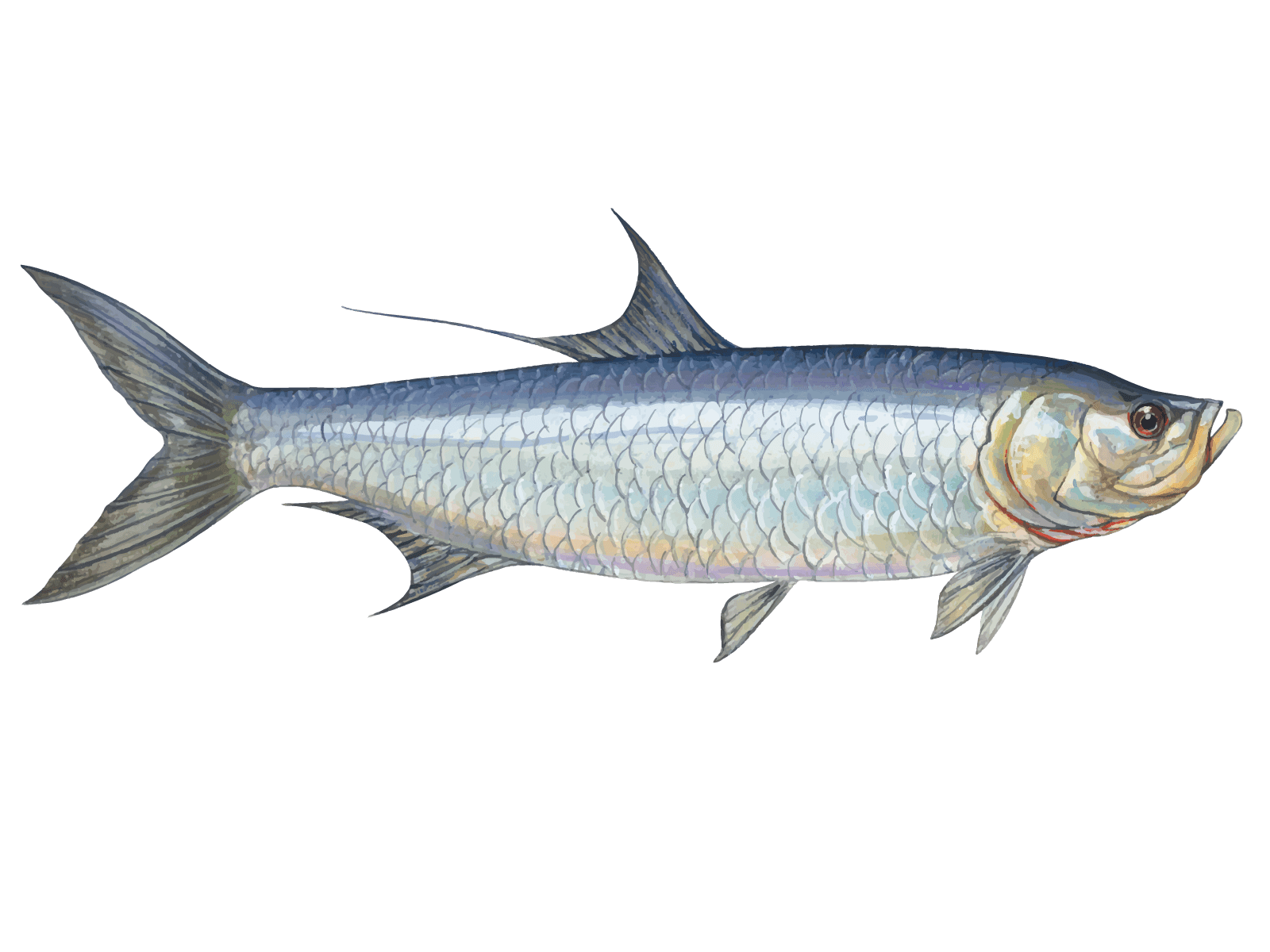
Tarpon fishing in the Everglades is something special – these silver kings can show up anywhere from 20 pounds to over 100, and they're absolute athletes when hooked. Spring through early fall offers the best tarpon action, with fish rolling and feeding in the backcountry channels and flats. When a tarpon eats your bait, get ready for aerial acrobatics that'll have you scrambling for the camera. The sight of a 60-pound tarpon clearing the water six feet in the air never gets old.
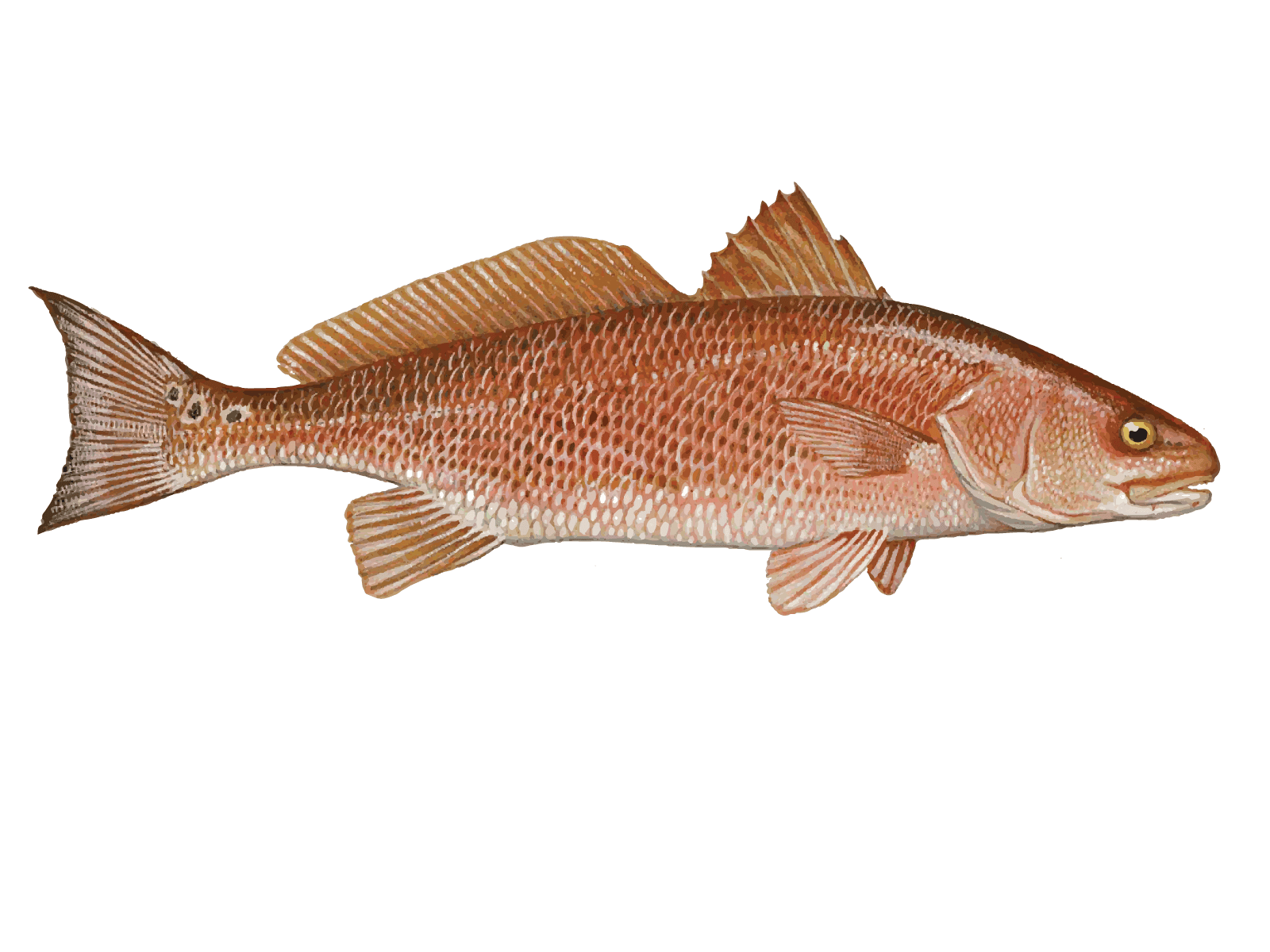
Redfish are perfect for anglers who want consistent action with beautiful fish. These copper-colored fighters cruise the shallow flats in small schools, and they're often willing to eat both live and artificial baits. Reds in the 20-30 inch range are common in these waters, and they put up a bulldogging fight that's completely different from the flashy jumps of tarpon. Fall and winter months are prime time for redfish, when they're fattening up and feeding aggressively.
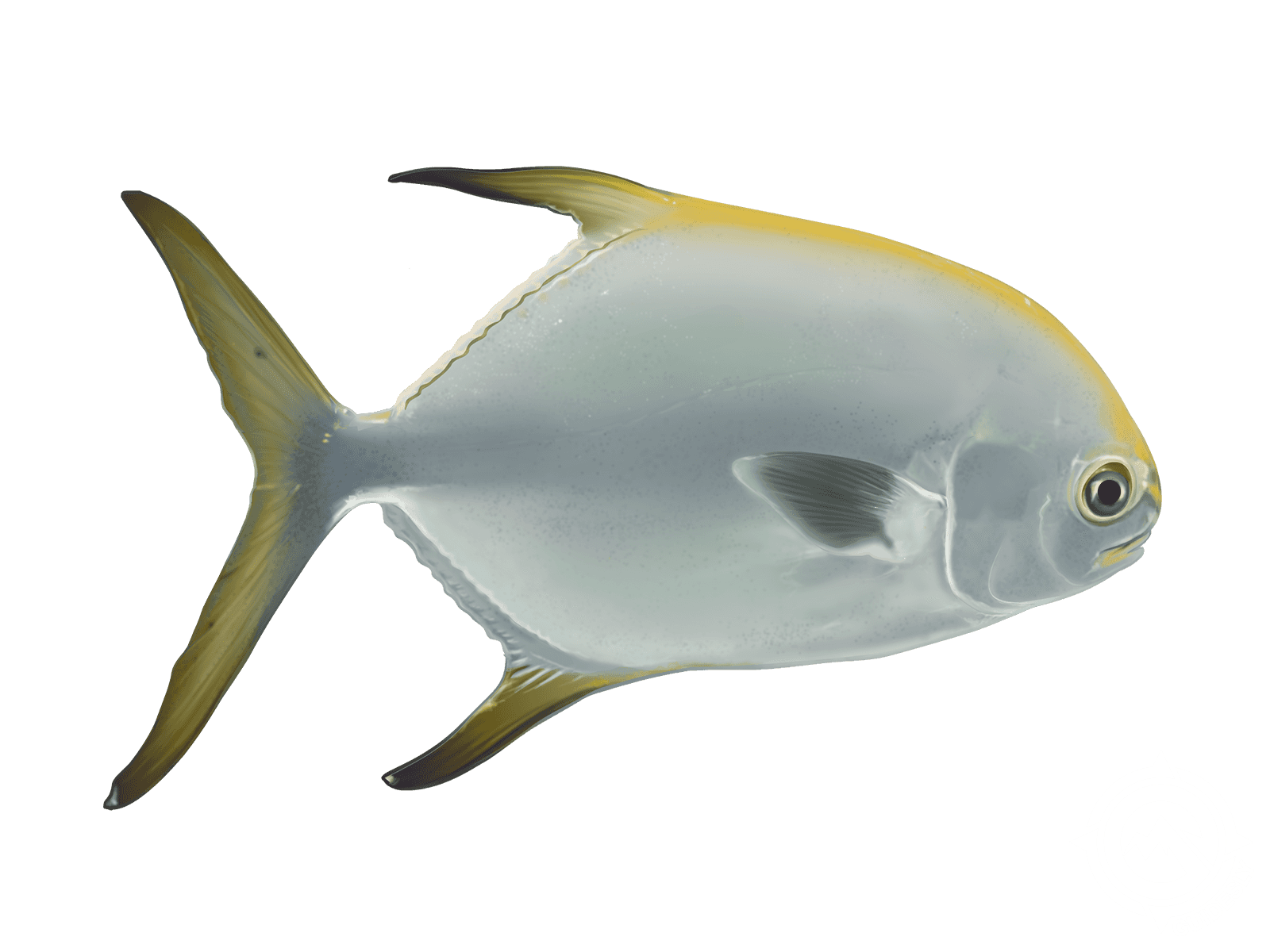
Permit are the holy grail for many Everglades anglers – they're notoriously spooky and selective, making them one of the most challenging species to hook consistently. These disc-shaped fish cruise the flats looking for crabs and small baitfish, but they'll spook at the slightest disturbance. When you do connect with a permit, they make long, powerful runs that'll have your reel screaming. Captain Bruce knows the specific flats and conditions where permit show up, giving you the best shot at this prized species.
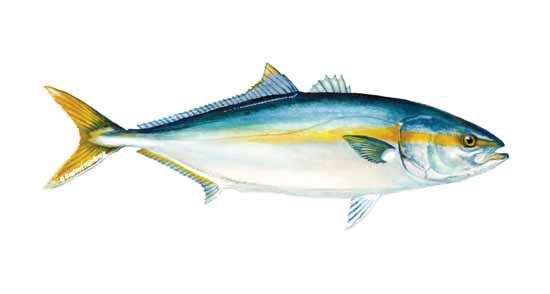
Yellowtail Amberjack bring serious pulling power to the mix, especially around structure in slightly deeper water. These fish are pure muscle, making deep runs and using their broad sides to fight against the rod. They're less finicky than permit but just as rewarding to catch, especially when you connect with one in the 15-25 pound range. Yellowtails are often caught while targeting other species, making them a welcome bonus fish that adds variety to your day.
Time to Book Your Spot
Captain Bruce's half-day Everglades fishing trip delivers exactly what serious anglers are looking for – access to less pressured waters, expert local knowledge, and the chance to target multiple world-class species in one outing. The personalized approach means whether you're here to check permit off your bucket list or just want to bend some rods with your family, the trip gets tailored to your goals. With all tackle and licenses included, plus that shallow-water access that sets this charter apart, you're getting maximum fishing time in some of Florida's most productive backcountry waters. Don't sleep on this one – Captain Bruce's calendar fills up fast, especially during peak seasons when the fishing is hot.
Learn more about the species
Permit
Permit are the holy grail of flats fishing - the smartest, most challenging fish you'll encounter out here. These silver, disc-shaped fish run 15-25 pounds with golf ball-sized eyes that see everything. They cruise sandy flats and grass beds in 2-8 feet, often in small groups. Spring through fall brings the best opportunities, especially during spawning season. What makes permit legendary is their wariness - they spook at the slightest movement and have incredible eyesight. But hook one and you'll understand the obsession. They make long, powerful runs that test your tackle and patience. Fresh crab is the gold standard for bait, but here's the key: present it perfectly on the first cast and stay absolutely still. One wrong move and they vanish.
Redfish
Redfish are the bread and butter of Everglades fishing - reliable, strong, and always ready to eat. These copper-colored fish with the signature black spots average 20-30 inches in our shallow waters. You'll find them tailing on grass flats, cruising oyster bars, and working mangrove shorelines in just 1-3 feet of water. Fall and winter offer the most consistent action when they school up. What guests love is their aggressive nature and steady fight - no flashy jumps, just head-shaking, line-peeling runs. They're also fantastic eating with mild, flaky meat. Pro tip: when you spot a redfish with its tail up feeding, cast well ahead and let your bait settle on the bottom before they approach.
Snook
Snook are one of the most rewarding fish to target in these backcountry waters. These golden-sided fighters typically run 18-28 inches, with that distinctive black lateral line making them easy to spot. They love hanging around mangroves, docks, and creek mouths in 2-6 feet of water. Spring through fall gives you the best action, especially around moving water during tide changes. What makes snook special is their explosive strike and bulldogging fight - they'll try every trick to wrap you around structure. Plus, they're excellent table fare with sweet, white meat. Here's a local tip: when you see one, make your first cast count. Snook are spooky and you rarely get a second chance at the same fish.
Tarpon
Tarpon are the silver kings of the flats - pure adrenaline on the end of your line. These prehistoric fish average 4-6 feet and 80-120 pounds in our waters, though bigger ones show up regularly. You'll find them rolling on shallow flats and deeper channels, especially during spring and early summer migrations. What draws anglers back is the fight - tarpon jump repeatedly, sometimes 10 feet out of the water, using every ounce of their strength to throw the hook. They're catch-and-release only, but landing one is a lifetime memory. My advice: keep steady pressure but bow to the fish when it jumps. That split-second slack prevents the hook from pulling free during those spectacular leaps.
Yellowtail Amberjack
Yellowtail amberjack are the power players when we venture to deeper structure. These golden-finned fighters typically weigh 15-40 pounds, though bigger ones patrol the reefs. You'll find them around wrecks, ledges, and rocky bottom in 40-100 feet of water. They school up best in warmer months when baitfish are thick. What guests love is the initial run - these fish are pure muscle and will test your drag from the first hookup. They're also excellent table fare, prized for their firm, white meat. The trick is getting them up quickly before they dive back into structure. Use heavy tackle and don't give them an inch, or they'll cut you off on the rocks below.
About the Dorado 2020
%2F%2Fusers%2Fc67d60fd-b983-462a-861a-7963a37ad2f4%2Fvehicle_picture%2Fboat-mkq7v5md.jpg&w=1920&q=75)
Vehicle Guest Capacity: 4
Manufacturer Name: Mercury
Maximum Cruising Speed: 40
Number of Engines: 1
Horsepower per Engine: 200