%2Ffit-in%2F250x250%2Fguide_websites%2F81698%2Fimages%2F1769134423520unnamed.jpg&w=1920&q=100)
/users/c67d60fd-b983-462a-861a-7963a37ad2f4/ratecard/4-mkq85io7.jpeg)
%2F300x300%2Fusers%2Fc67d60fd-b983-462a-861a-7963a37ad2f4%2Fratecard%2F4-mkq85io7.jpeg&w=256&q=75)
%2F300x300%2Fusers%2Fc67d60fd-b983-462a-861a-7963a37ad2f4%2Fimages%2Fsnook-caught-fl-2528.jpg&w=256&q=75)
%2F300x300%2Fusers%2Fc67d60fd-b983-462a-861a-7963a37ad2f4%2Fimages%2Fbonnethead-shark-fishing-islamorada-2463.jpeg&w=256&q=75)
%2F300x300%2Fusers%2Fc67d60fd-b983-462a-861a-7963a37ad2f4%2Fimages%2Fsnook-caught-florida-2455.jpeg&w=256&q=75)
%2F300x300%2Fusers%2Fc67d60fd-b983-462a-861a-7963a37ad2f4%2Fimages%2Fsnook-fish-islamorada-2715.jpg&w=256&q=75)
%2F300x300%2Fusers%2Fc67d60fd-b983-462a-861a-7963a37ad2f4%2Fimages%2Fflorida-fishing-adventure-2571.jpg&w=256&q=75)
%2F300x300%2Fusers%2Fc67d60fd-b983-462a-861a-7963a37ad2f4%2Fimages%2Fbonefish-caught-islamorada-2347.jpeg&w=256&q=75)
%2F300x300%2Fusers%2Fc67d60fd-b983-462a-861a-7963a37ad2f4%2Fimages%2Fgag-grouper-fishing-fl-2372.jpeg&w=256&q=75)
%2F300x300%2Fusers%2Fc67d60fd-b983-462a-861a-7963a37ad2f4%2Fimages%2Fbonefish-caught-florida-2486.jpeg&w=256&q=75)
%2F300x300%2Fusers%2Fc67d60fd-b983-462a-861a-7963a37ad2f4%2Fimages%2Fbonefish-caught-islamorada-2400.jpeg&w=256&q=75)
%2F300x300%2Fusers%2Fc67d60fd-b983-462a-861a-7963a37ad2f4%2Fimages%2Fanglers-fishing-adventure-fl-2394.jpeg&w=256&q=75)
Full Day Tarpon Permit Fishing Edge Charters
 Everglades
What you will be catching:
 Permit
 Redfish
 Snook
Snook Tarpon
 Yellowtail Amberjack
- 8-hour private Everglades backcountry fishing adventure with Captain Bruce Pollock
- Target permit, tarpon, redfish, and snook using specialized shallow-draft skiff
- All tackle, bait, and licenses included for up to four participants
Trip Pricing and Availabilities:
Full Day Everglades Fishing with Captain Bruce
The Everglades backcountry is where serious inshore fishing happens, and Captain Bruce Pollock knows these waters like the back of his hand. This isn't your typical charter boat experience – we're talking about an 8-hour private adventure in skinny water that most boats can't even reach. With his 10-inch draft skiff, Captain Bruce will take you and up to three friends into places where the fish haven't seen a lure in weeks. Every trip is different because the tides, weather, and your skill level all factor into where we'll spend the day. Whether you're chasing your first tarpon or looking to complete a slam, this world-class fishing experience delivers the kind of stories you'll be telling for years.
What to Expect on the Water
Captain Bruce runs a relaxed but focused operation that adapts to what Mother Nature gives us each day. You'll start early, heading out from Islamorada into the maze of creeks, flats, and mangrove shorelines that make the Everglades legendary among inshore anglers. The beauty of fishing these waters is the variety – one minute you're sight-fishing for tailing redfish on a sandy flat, the next you're working a mangrove point for snook or watching for rolling tarpon in deeper channels. Captain Bruce reads conditions like a book and positions you where the fish want to be, not just where they were yesterday. The boat stays comfortable with plenty of room to move around, and since everything's included – tackle, live bait, even your fishing license – you can focus on what matters most: getting tight to some incredible fish. Just remember there's an additional $30 per boat fee for the National Park, but trust me, it's worth every penny for access to these pristine waters.
Backcountry Techniques
Fishing the Everglades backcountry is all about stealth and precision. Captain Bruce's shallow-draft skiff lets us pole into water so skinny you can count the oysters on the bottom. We're talking sight fishing at its finest – watching fish move, reading their behavior, and making strategic casts to intercept them. Live bait is often the ticket here, whether we're fishing pilchards for tarpon or shrimp for permit, but don't be surprised if Captain Bruce breaks out the artificials when fish are being picky. The technique changes with the tide and target species. High tide might find us back in the mangroves flipping jigs for snook, while falling water opens up the flats for permit and redfish. Captain Bruce handles the technical stuff – reading water, positioning the boat, and coaching you through the fight – while you get to experience some of the most challenging and rewarding fishing Florida has to offer. The gear is top-rated and properly matched to each situation, from light tackle for redfish to heavier setups when we're hunting big tarpon.
Top Catches This Season
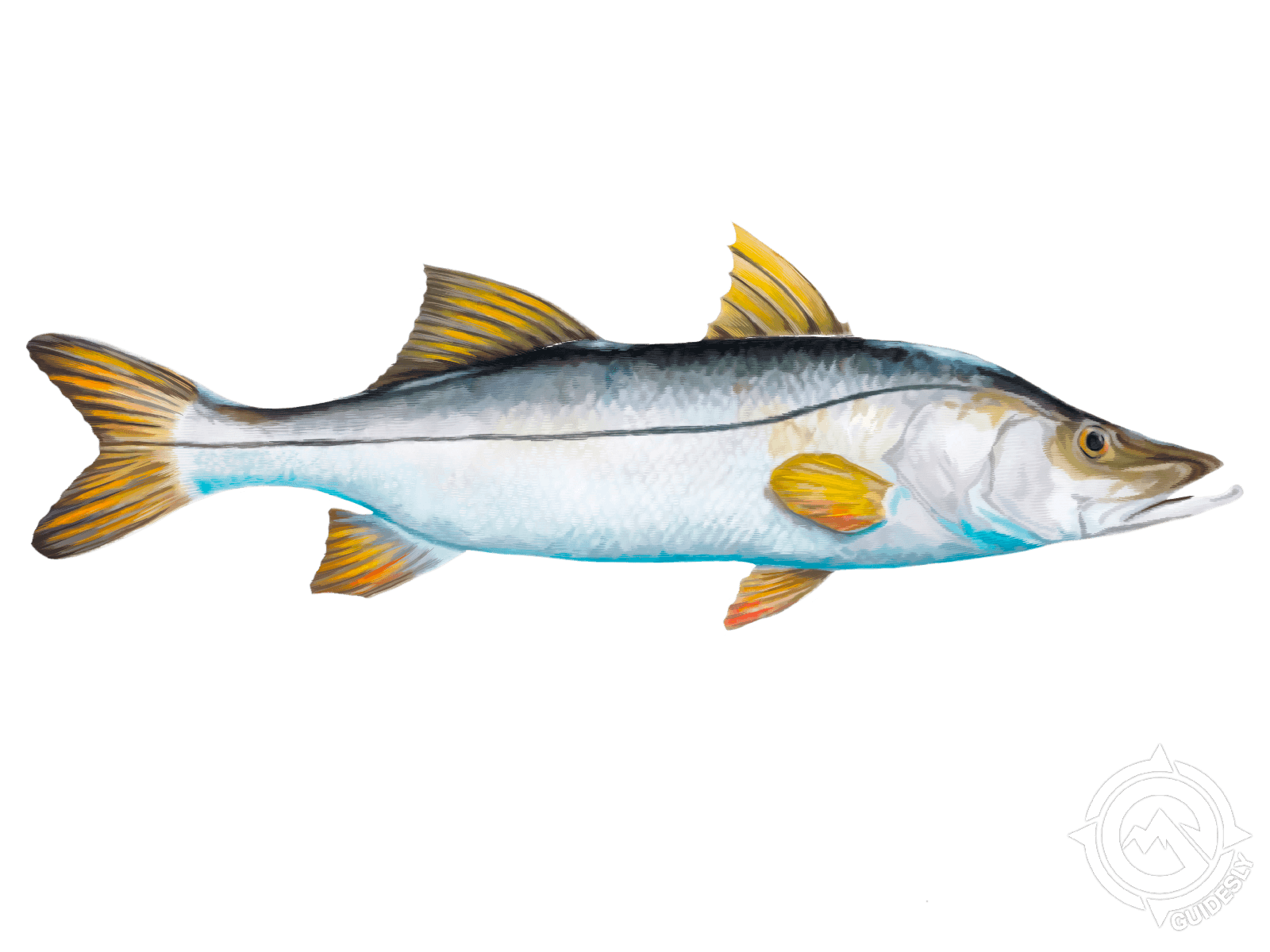
Snook are the bread and butter of Everglades fishing, and for good reason. These ambush predators love the structure-rich environment of mangrove shorelines and creek mouths. They're most active during moving water, especially around dawn and dusk, though in the backcountry's shadowy creeks, they'll feed throughout the day. What makes snook special is their explosive strike and bulldogging fight – they'll head straight for the nearest mangrove root or oyster bar to break you off. Most fish here run 20 to 28 inches, with occasional monsters pushing 35 inches or more. The best action typically happens from late spring through early fall, but Captain Bruce knows the winter spots where these fish stack up when temperatures drop.
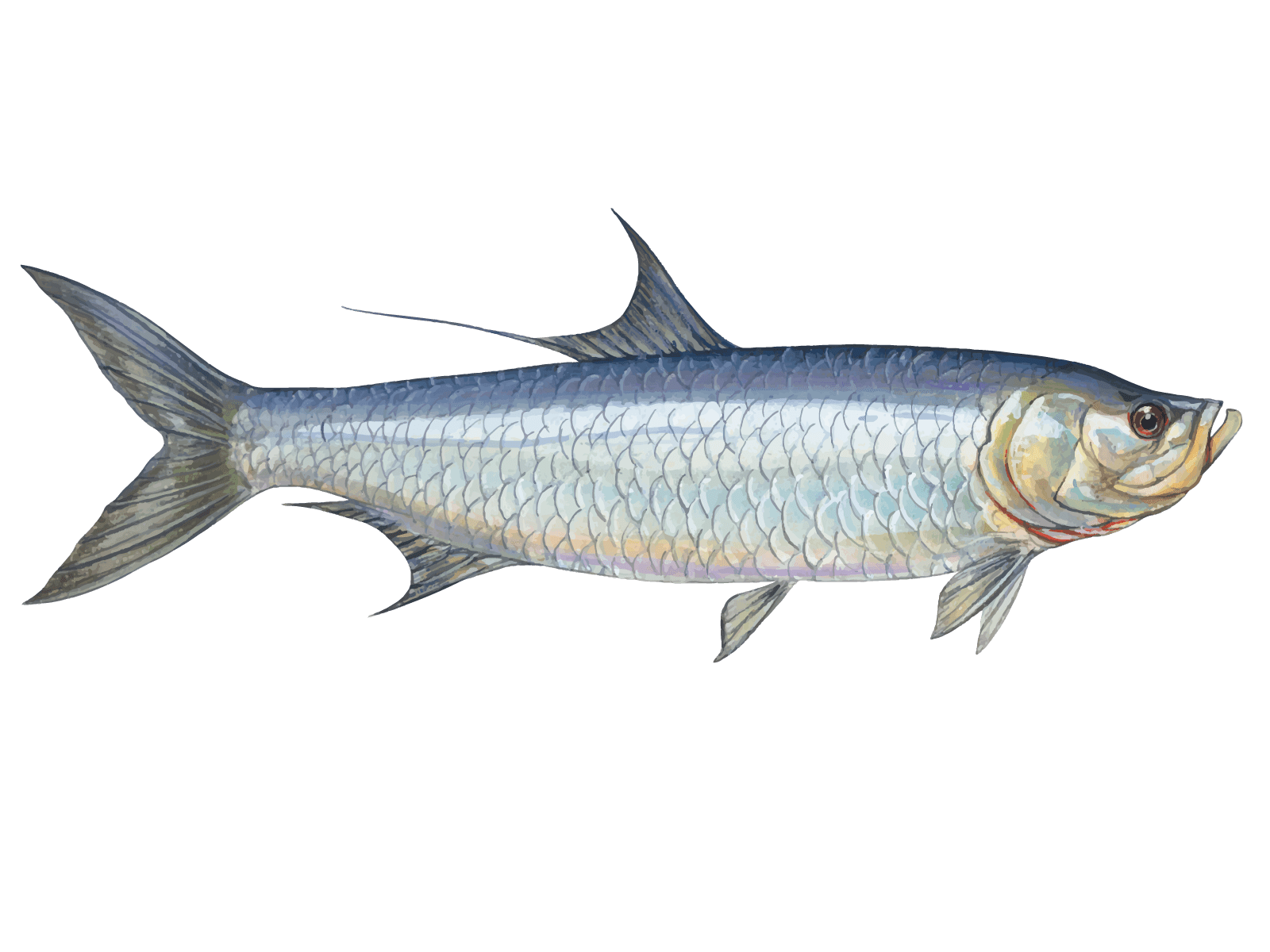
Tarpon fishing in the Everglades is unlike anywhere else in the world. These silver kings use the backcountry as a highway system, moving between feeding areas and spawning grounds. What's incredible about Everglades tarpon is the range of sizes – you might hook a 40-pound fish in a narrow creek or find yourself connected to a 150-pound giant that rolled up on live bait. They're most active from March through July, with peak season hitting around April and May. The fight is legendary – multiple jumps, long runs, and that heart-stopping moment when 100 pounds of fish goes airborne just a few feet from the boat. Even experienced anglers get humbled by these fish, which is exactly why they keep coming back.
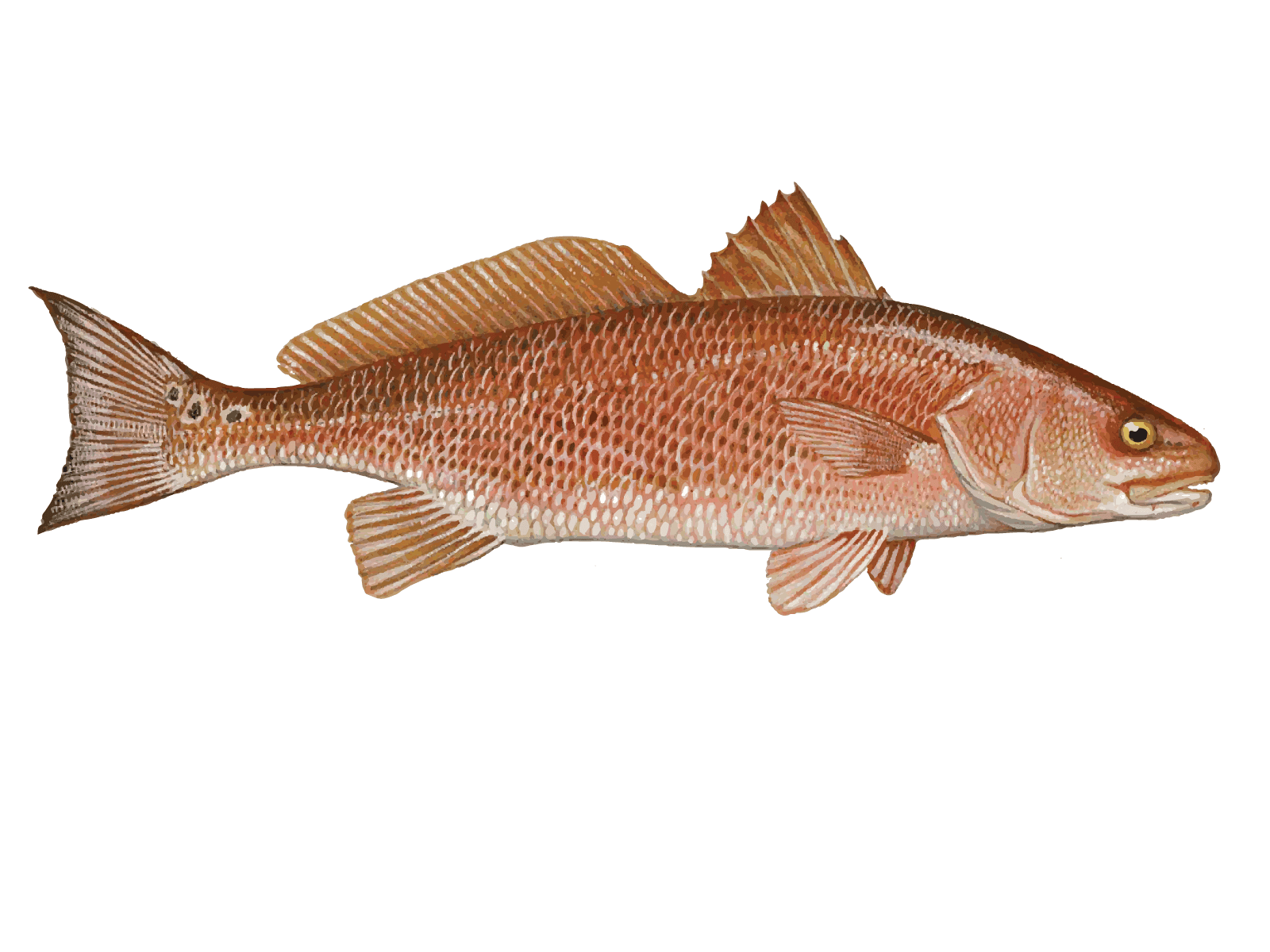
Redfish are the perfect Everglades species because they love shallow water and aren't too picky about presentation. These copper-colored bruisers cruise the flats in small schools, often with their backs out of water as they root around oyster bars and grass beds. The sight-fishing opportunities are phenomenal – watching a school of reds push water across a flat gets your heart racing every time. Most fish here run 18 to 27 inches, with plenty of slot-size fish and the occasional oversized bull red that'll test your drag system. They're year-round residents, but fall and winter often provide the most consistent action as baitfish concentrate in the backcountry.
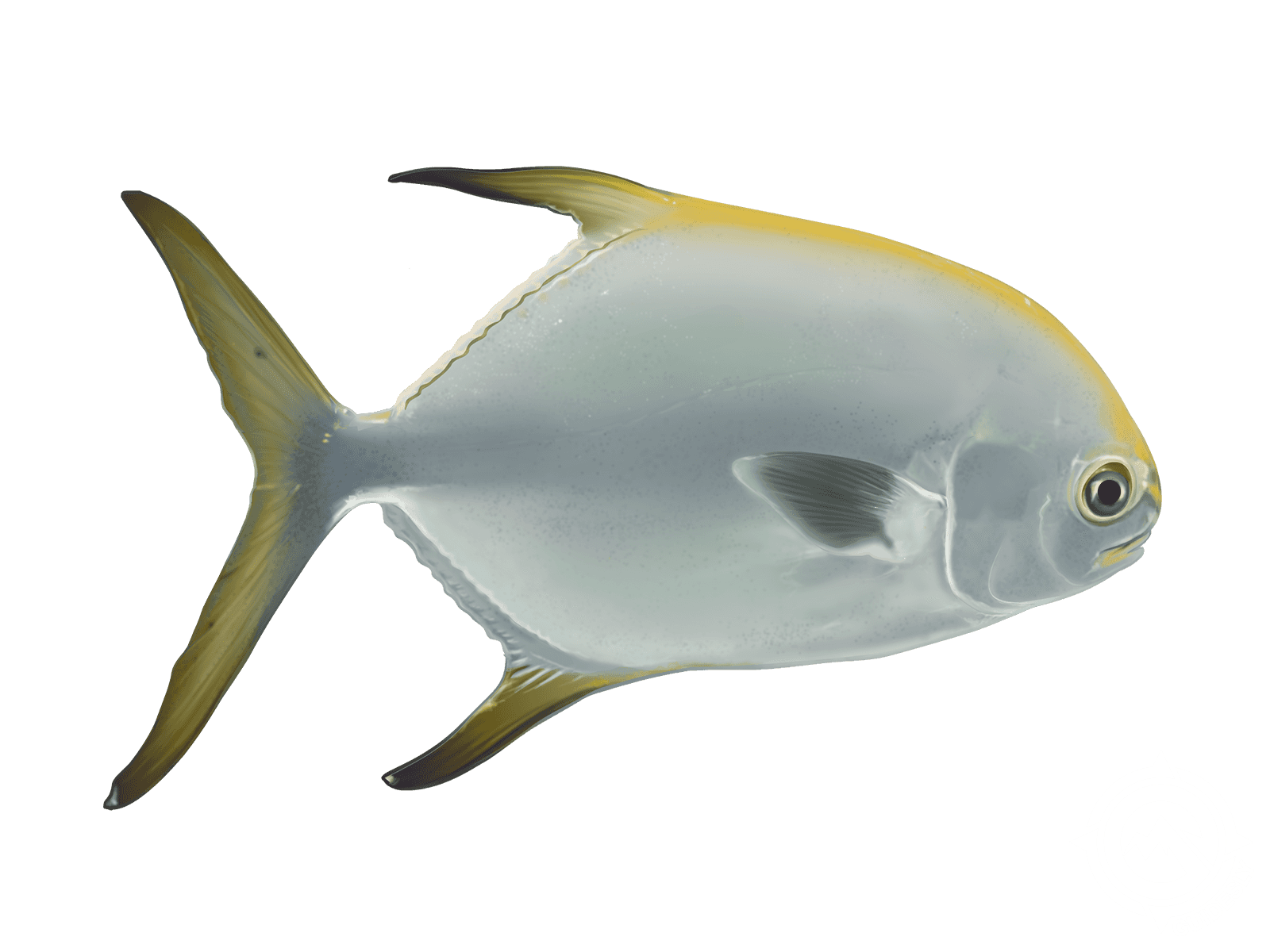
Permit are the holy grail for many Everglades anglers, and rightfully so. These disc-shaped fighters are notoriously spooky and selective, making them one of the most challenging fish to catch on fly or light tackle. When you spot a permit's distinctive black-tipped dorsal fin cutting through shallow water, everything else stops. They're most commonly found over sand and grass flats, often mixed with bonefish, though the Everglades population tends to be larger than their Keys cousins. A good permit runs 15 to 25 pounds, with fish over 30 pounds not uncommon. The fight is pure power – long runs followed by stubborn, head-shaking battles that'll leave your arms burning. They're present year-round but seem most cooperative during the cooler months.
Yellowtail amberjack might not get the same press as the other species, but they're absolute powerhouses that'll surprise you every time. These
Learn more about the animals
Permit
Permit are the holy grail of flats fishing - notoriously difficult but worth every attempt. These diamond-shaped fish average 10-25 pounds, with their tall bodies and sickle-shaped tails making them unmistakable. They cruise sandy flats, turtle grass beds, and channel edges in 2-8 feet of water, often showing nervous behavior that makes them challenging. Peak season runs April through October, coinciding with their spawning cycle. What draws anglers is their reputation as one of the wariest fish in the ocean - they have incredible eyesight and spook easily. The fight is strong and sustained once hooked. Live crabs are the gold standard for bait, though they'll take shrimp and crab flies. Permit are excellent eating but most anglers release them due to their difficulty. My tip: approach permit slowly from downwind, and when you see one feeding with its head down, that's your shot.
Redfish
Red drum are the bread and butter of our shallow water fishing. Most fish we catch run 20-32 inches, with slot-sized fish being perfect for the table. You'll spot them tailing in 1-3 feet of water across grass flats, around oyster bars, and in shallow creeks. That distinctive black spot near the tail makes them easy to identify. Redfish are sight fishing at its finest - watching them cruise the shallows with their backs barely covered is pure excitement. They're year-round residents here, but fall and winter offer the most consistent action as water temps cool. Spring brings spawning activity with larger fish. These copper-colored beauties fight dirty, using their broad tails to pull drag. The meat is fantastic - mild and flaky. Pro tip: when sight fishing, lead a cruising red by about three feet and let your bait sink naturally to the bottom.
Snook
Snook are ambush predators that love hanging around mangroves, docks, and creek mouths throughout our Everglades backcountry. They typically run 18-30 inches, though we see some real bruisers pushing 40+ inches. These fish are incredibly structure-oriented - think of them like saltwater bass. They hit hard and make blistering runs when hooked. What makes snook special is they're euryhaline, meaning they move freely between salt and fresh water. Best fishing happens during moving tides, especially around dawn and dusk. They're temperature sensitive, so cooler months can slow the bite. Snook are excellent table fare with firm, white meat. Here's a local trick: when fishing mangroves, cast your bait or lure past the roots and work it back parallel to the structure. Most anglers cast right at the trees and spook fish.
Tarpon
The Silver King is what we're all chasing out here. These prehistoric giants average 80-150 pounds in our waters, but we see fish pushing 200+ pounds. Tarpon patrol the deeper channels, basins, and edges of our flats, especially during spring and summer months. What sets them apart is their aerial show - when hooked, they'll jump repeatedly, often throwing the hook. They're primarily catch-and-release due to their bony meat and conservation importance. The fight can last hours on larger fish. Tarpon are most active during warmer months, with peak season running May through September. They often roll on the surface, giving away their location. Best conditions are moving water with good visibility. My advice: when a tarpon jumps, bow to the fish by dropping your rod tip toward the water. This prevents the line from breaking on a tight connection during their acrobatics.
Yellowtail Amberjack
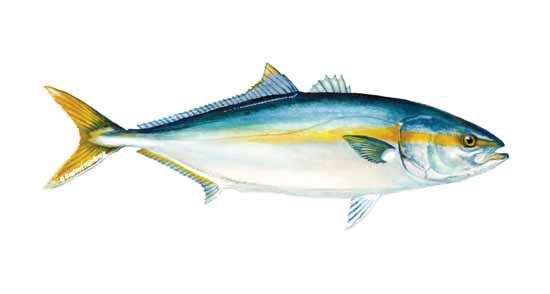
Yellowtails are powerhouse fighters that'll test your tackle and endurance. These sleek, silver fish with bright yellow tails typically run 15-40 pounds in our waters, though larger specimens show up. They prefer deeper structure like wrecks, reefs, and rock piles, usually in 30-100 feet of water. Unlike our shallow water species, yellowtails are more of an offshore or deep backcountry target. They're aggressive feeders that'll hit live bait, jigs, and plugs with authority. The fight is all about power - long, sustained runs that'll burn your arms. Best fishing happens during warmer months when they move into shallower waters. What guests love is the combination of strong fight and excellent table fare - firm, white meat perfect for grilling. Here's the key: once hooked, keep steady pressure but don't horse them. Let your drag work and be patient, because they'll use every bit of structure to try breaking you off.
About the Dorado 2020
%2F%2Fusers%2Fc67d60fd-b983-462a-861a-7963a37ad2f4%2Fvehicle_picture%2Fboat-mkq7v5md.jpg&w=1920&q=75)
Vehicle Guest Capacity: 4
Manufacturer Name: Mercury
Maximum Cruising Speed: 40
Number of Engines: 1
Horsepower per Engine: 200